
Skip to content
  • Blog
  • Faqs
  • Pricing
  • 03 98241166
Australian Vein Clinic
  • Conditions

    Types of Conditions

    Varicose Veins
    Spider Veins
    Reticular Veins
    Telangiectasias
    Broken Cappilaries
    Venous Ulcers
    View All Conditions
  • Treatments

    Types of Treatments

    Sclerotherapy Melbourne
    Ultrasound Guided Sclerotherapy
    Endovenous Laser Ablation
    VenaSeal Vein Glue
    View All Treatments
  • About

    About Australian Vein Clinics

    Australian Vein Clinics aim to provide the most up to date expert advice and treatment in dealing with the appearance and discomfort of varicose and spider veins.

    Learn More
    Team
    Why Choose Us
    View Latest News
  • Before & After
  • Contact Us
  • For Doctors
Australian Vein Clinic
  • Conditions

    Types of Conditions

    Varicose Veins
    Spider Veins
    Reticular Veins
    Telangiectasias
    Broken Cappilaries
    Venous Ulcers
    View All Conditions
  • Treatments

    Types of Treatments

    Sclerotherapy Melbourne
    Ultrasound Guided Sclerotherapy
    Endovenous Laser Ablation
    VenaSeal Vein Glue
    View All Treatments
  • About

    About Australian Vein Clinics

    Australian Vein Clinics aim to provide the most up to date expert advice and treatment in dealing with the appearance and discomfort of varicose and spider veins.

    Learn More
    Team
    Why Choose Us
    View Latest News
  • Before & After
  • Contact Us
  • For Doctors
Book Appointment
Call 03 98241166
Book Appointment
Book Appointment

About Us

Australian Vein Clinics

  • Contact Us
  • 03 9824 1166

Australian Vein Clinics aim to provide the most up to date expert advice and treatment in dealing with the appearance and discomfort of varicose and spider veins.

request a consultation

About Us

Our physicians and phlebologists have years of experience using either Ultrasound Guided Sclerotherapy, Standard Sclerotherapy or Laser Ablation depending of severity of the vein.

All of these are non-surgical options for vein removal, are minimally invasive and require no downtime. Assessments and procedures are carried out at our clinics, without the need for hospitalisation, general anaesthetic, loss of work time or disruption to your every day activities.

our services

Our Story

Founded in 1999 by Dr Josef Goldbaum, Australian Vein Clinics sought to establish an alternative way to surgery for the treatment of varicose veins and spider veins. Since then we have grown into a leading provider of varicose vein treatments

our staff

We Love Legs

Australian Vein Clinics aim to provide the most up to date expert advice and treatment in dealing with the appearance and discomfort of varicose and spider veins.

Faqs

What should you do before sclerotherapy?

Do not cease medications prior to treatment unless otherwise advised.

Do not apply moisturiser on the day of treatment.

Wear slacks or loose trousers and sandals or loose shoes to your appointment to conceal and allow for the thickness of the stockings.

Take two Panadol tablets about one hour before the appointment

Avoid treatment if you intend to fly overseas within the following six weeks.

What happens during sclerotherapy?

Multiple injections are given using very fine needles.

A compression stocking is applied to reduce pigmentation, the number of treatment sessions, risk of deep vein thrombosis and risk of recurrence.

What should you do after sclerotherapy?

Rest for several minutes after the injections with the leg elevated.

If possible, do not drive home yourself. If you have to drive, keep the legs moving.

Wear the stockings continuously for 24 hours. Then wear stockings only through the day, remove them at night and replace them in the morning after the shower for a further two weeks.

Continue with stockings for approximately 2-3 weeks or longer if pain develops after the recommended two weeks.

Walk for 30 minutes each day. Maintain normal daytime activities. Avoid standing still for long periods of time. When sitting, elevate your legs.

Avoid strenuous physical activity such as aerobics for 3-4 weeks after treatment since this increases the risk of blood flow into the treated veins.

What are the possible complications after Sclerotherapy?

Complications can occur even with perfect technique.

Deep vein thrombosis (DVT). Clots can extend into deep veins but this is rare if the protocol of compression and regular daily walking is followed. It is optional to stop hormone preparations as they may increase the risk of DVT.

Allergic reaction. This is rare but can present immediately as an anaphylactic reaction with generalised rash, constriction in the throat or difficulty with breathing. This is immediately treated by injecting cortisone or adrenaline. Allergy may cause a skin rash after treatment requiring antihistamines. Allergy is slightly more common in asthmatics. Patients must stay in the building for 20 minutes after any form of treatment to ensure that no allergic reactions occur.

Pigmentation. Haemosiderin which is a form of iron from the blood can be deposited along the treated veins. This is more frequent with large surface veins but can occur with spider veins. Most disappear within 12 months but there is permanent staining in about 5% and this is of cosmetic significance. Persistent pigmentation may respond to laser treatment.

Matting. This consists of networks of fine dilated capillaries near the injection sites. It appears shortly after treatment in approximately 10% of patients. Most resolve spontaneously, some resolve with injection treatment, and a few persist.

Skin ulceration. This is very uncommon. It occurs because solution has escaped into the surrounding skin or because of an abnormal connection between small veins and arteries. Most injection ulcers are small and heal over a few weeks leaving a small pale scar.

Intra-arterial injection. This has never been encountered in our practice but has been reported resulting in muscle and skin damage.

What is UGS?

UGS has been in use for some 25 years. UGS is used to block off smaller diameter saphenous veins or large tributaries by injection using ultrasound to guide the needle to the vein. Our results published in the European Journal of Vascular Surgery show a low risk of complications and good results but with a need to repeat treatment at a later date in some patients. Success rates for UGS compare favourably to published results for surgery. The two sclerosants used are Aethoxysklerol (polidocanol) or Fibrovein (sodium tetradecyl sulphate – STS). Both are detergents and act by washing away the lining of the vein allowing the two walls to stick together.

Worldwide the trend in recent years has been to use sclerosant made up as foam. However, it is now known that this can lead to bubbles passing to the brain and there is a small number of reported strokes. Accordingly, this practice has reverted to liquid sclerotherapy. However this may lead to a need for greater numbers of treatment sessions.

What are the advantages and disadvantages for UGS?

Advantages

Minimal discomfort.

No admission to hospital or anaesthesia.

No time off work nor interference with normal home duties.

Disadvantages

Each leg is usually treated separately.

There is a limit to the dose of sclerosant that can be safely given at a session.

This means that multiple treatment sessions may be required.

Approximately 40% of patients require two sessions and 5-10% require more.

Injected veins may remain inflamed for several weeks and patience is required to allow this to settle.

What should you do before UGS?

Advice will have been given about the type and use of stockings.

Do not shave the legs.

Do not apply moisturiser on the day of treatment.

Wear slacks or loose trousers and sandals or loose shoes to allow for the thickness of the bandages and compression garment

Latest News

Spider veins

Spider Veins; Causes, Treatment, Prevention

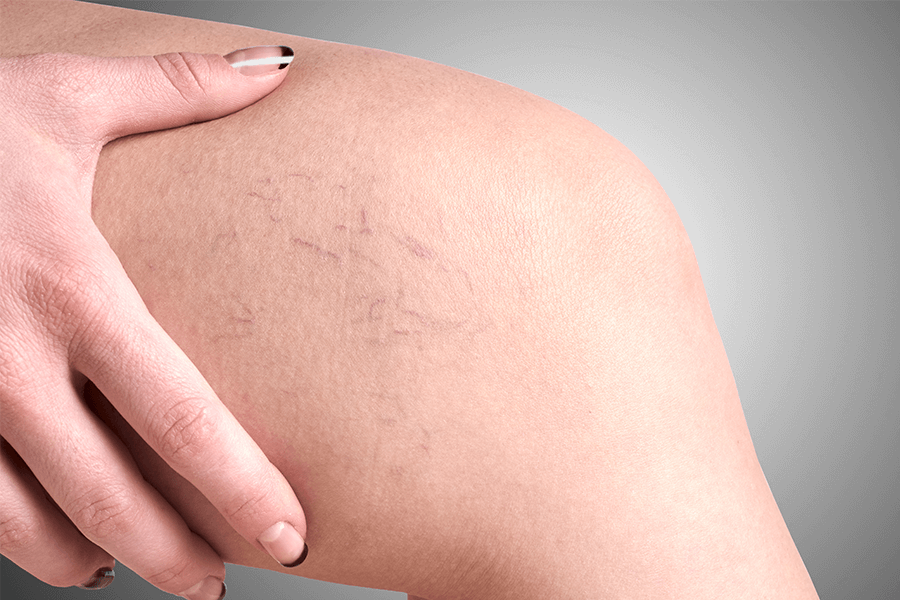
If you have ever noticed a singular or patch of spider veins appear, you may be wondering what caused it, how you can treat it and how you can prevent more from coming! Keep reading to find out. What are spider veins? Spider veins are small, thread-like veins that appear on the skin’s surface and


Read More
legs

Dangers of Not Treating Varicose Veins

Not liking the look of bulging and discoloured veins can often be a sufficient reason to get them treated. If not, there are also some important health risks to consider if you choose to ignore varicose veins. We discuss the dangers of not treating varicose veins. What are Varicose Veins: Varicose veins are commonly known

Read More
About Australian Vein Clinics

How to choose the best Vein Clinic for your Vein Treatment

So you are sick and tired of your varicose veins? Whether that be for aesthetic reasons, or the pain and discomfort they are causing you, the next step is getting rid of them once and for all! There are many different treatment options and medical professionals for Venous Diseases so it can be hard to

Read More
Legs treated for vein issues

What are Varicose Veins and how are they treated?

What are Varicose Veins? We all know varicose veins by their unsightly worm like appearance on the legs, but what’s going on underneath? When the valves within the veins become damaged, it can cause pools of blood to form which results in veins becoming enlarged. These veins often appear twisted and bulging at the skin’s

Read More

Australian Vein Clinics

Follow us on Instagram

It's time to start loving your legs!

Book Appointment
woman legs no veins

Explore

  • About
  • Conditions
  • Treatments
  • Pricing
  • For Doctors
  • Faqs
  • Contact Us
  • About
  • Conditions
  • Treatments
  • Pricing
  • For Doctors
  • Faqs
  • Contact Us

Location

668 Chapel Street
South Yarra Victoria, 3141
Tel: 03 9824 1166

Facebook Instagram

Latest News

Spider veins

Spider Veins; Causes, Treatment, Prevention

Read More
legs

Dangers of Not Treating Varicose Veins

Read More
About Australian Vein Clinics

How to choose the best Vein Clinic for your Vein Treatment

Read More

© 2025 Australian Vein Clinics

Site by VT